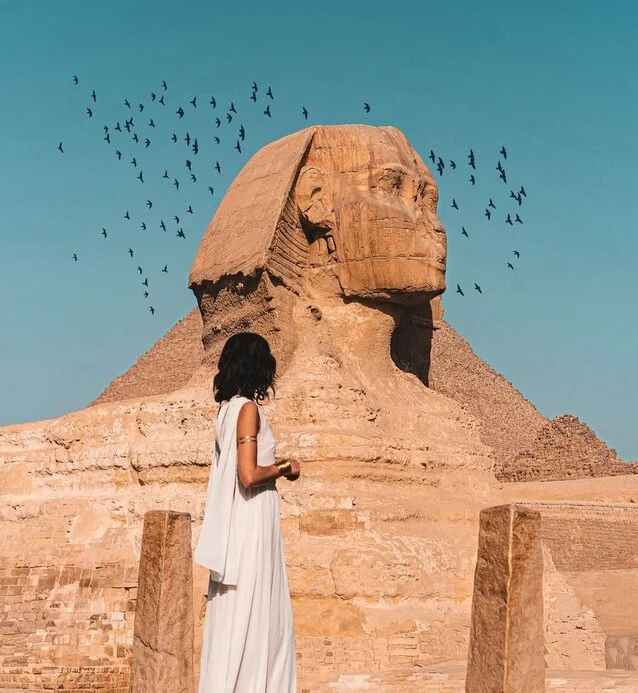

Travel to Egypt from the UK involves a decision most first-time visitors underestimate: Egypt isn't one holiday, it's several. Cairo and Giza suit travellers focused on ancient history. Luxor and a Nile cruise suit those who want temples, tombs and river scenery. Hurghada, Sharm El Sheikh and Marsa Alam suit travellers after Red Sea beaches, diving and resort time. Alexandria adds a Mediterranean-feeling stop for those with extra days.
This guide works through the planning problem UK travellers actually face: choosing a destination, working out how long to stay, deciding between a package holiday and a tailor-made trip, and building an itinerary that fits the time and budget available. It's written specifically for UK travellers planning an Egypt holiday in 2026 — covering where to go, when to go, how long you need, itinerary options and holiday type, rather than entry requirements or safety, which are covered in the specialist guides linked throughout.
Best overall Egypt trip: a combination itinerary covering Cairo, Luxor (or a Nile cruise) and a Red Sea resort.
Best for a short break: Cairo and Giza alone, over 3–4 days.
Best for ancient Egypt: Cairo, Luxor and Aswan.
Best for beaches: Hurghada and Sharm El Sheikh, both well set up for UK package holidays.
Best for diving and snorkelling: Marsa Alam and Sharm El Sheikh are strong choices, with Hurghada a solid all-round option too.
Best for families: Hurghada or Sharm El Sheikh generally work well, thanks to established resorts and shorter transfer times.
Best for couples: a Nile cruise paired with a few days at a Red Sea resort is a popular combination.
Best general sightseeing season: the cooler months, broadly October to April, though this varies by region and by what you're doing.
Recommended trip length: 7–10 days is a practical starting point for combining ancient Egypt with the Red Sea, though shorter and longer trips both work depending on your priorities.
These are starting points rather than fixed rules. The right combination depends on your interests, budget and how much time you have.
Most UK holidays to Egypt fall into two categories: cultural trips built around Cairo, Luxor and the Nile, or resort-based holidays on the Red Sea coast. Many travellers combine both. For each destination below: what it suits, how long to stay, who should choose it, and how it tends to fit into a wider itinerary.
Best for: the Pyramids of Giza, the Sphinx, and Egypt's major museums, including the Egyptian Museum and the Grand Egyptian Museum near Giza. Historic Cairo, Khan el-Khalili and Nile-side felucca sailing add further half-day options.
How long: two to three days is generally enough to cover the main sites without over-packing the schedule; history-focused travellers sometimes prefer a fourth day.
Who it suits: almost every itinerary includes Cairo, since it's the only place to see Giza in person. It works equally well as a short standalone break or as the opening stage of a longer trip.
Itinerary fit: typically the starting or finishing point for a combination trip, given it's usually the main international arrival point.
For a deeper look at the pyramids themselves, see our guide to visiting the Pyramids of Giza.

Best for: ancient Egypt in depth — Karnak Temple, Luxor Temple, and across the river the Valley of the Kings, the Valley of the Queens and the Temple of Hatshepsut.
How long: two to three days for the temples and tombs around Luxor itself; longer if it's the start or end point of a Nile cruise.
Who it suits: travellers who want more than the headline Cairo sites, and anyone building their trip around ancient history rather than the Red Sea.
Itinerary fit: the standard base for a Nile cruise down to Aswan, taking in smaller temple sites such as Edfu and Kom Ombo along the way.
Best for: an all-inclusive Red Sea beach holiday, with a wide range of hotels, established infrastructure for snorkelling and diving, and desert excursions available locally.
How long: generally 3–5 days works well as a standalone break, or as the Red Sea leg of a longer combination trip.
Who it suits: families and travellers who want a straightforward resort holiday with a broad choice of hotels.
Itinerary fit: often the Red Sea stage of a Cairo + Luxor + Red Sea itinerary, or a standalone beach holiday on its own.
Our dedicated Hurghada travel guide covers the resort area, activities and practical detail in full.
Best for: diving and snorkelling around Ras Mohammed National Park and Naama Bay, alongside a well-established resort scene for couples and families.
How long: generally 3–5 days, similar to Hurghada, with boat trips and reef excursions typically added as extras.
Who it suits: divers and snorkellers in particular, plus couples and families who want a resort-based Red Sea stay.
Itinerary fit: works as a standalone beach holiday or as the Red Sea leg of a wider trip, often compared directly against Hurghada — see our Sharm El Sheikh vs Hurghada comparison if you're deciding between the two.
Sharm El Sheikh sits on the Sinai Peninsula, where entry requirements can differ from those for mainland Egypt on some routes — check the latest requirements in our Sinai Only Visa guide before booking.
Best for: a quieter Red Sea stay, with less crowded reefs and strong marine life, including regular dolphin sightings.
How long: 3–5 days, similar to the other Red Sea resorts.
Who it suits: divers and snorkellers who want a quieter alternative to Hurghada or Sharm El Sheikh, or travellers who prefer a lower-key resort scene.
Itinerary fit: best treated as a standalone beach and diving holiday, since it's less commonly combined with Cairo and Luxor in a single trip due to the distances involved.
Best for: Mediterranean history and culture, as a change of pace from the rest of Egypt.
How long: one to two days is generally enough as an add-on.
Who it suits: travellers with extra days who want cultural variety alongside a Cairo-based trip, rather than as a first-time priority.
Itinerary fit: an optional addition to a Cairo-based itinerary rather than a core stage of most first-time trips.
A combination of Cairo, Luxor (or a short Nile cruise) and a Red Sea resort tends to work well for a first trip, covering ancient history, the Nile and beach time without needing a second visit to feel like you've seen the essentials.
Cairo, Luxor and Aswan together form the core ancient Egypt route: the Pyramids and museums in Cairo, the temples and tombs around Luxor, and the Nile scenery and smaller sites between Luxor and Aswan.
Hurghada and Sharm El Sheikh generally work well for families, thanks to shorter airport transfers, established all-inclusive resorts and a wide choice of family-friendly excursions.
A Nile cruise combined with a few days at a Red Sea resort is a popular choice for couples — cultural sightseeing and river scenery on the cruise, followed by beach relaxation afterwards.
For sightseeing in Cairo, Luxor and Aswan, October to April is generally more comfortable, with November to February often the most popular window for Nile cruises and temple visits. Summer brings considerably higher heat in Luxor and Aswan, which can make extended outdoor sightseeing more demanding.
The Red Sea coast — Hurghada, Sharm El Sheikh and Marsa Alam — tends to stay warm for longer through the year, so it's workable for a beach holiday across more of the calendar, though conditions still vary by month and by exact location.
Because demand, pricing and specific 2026 conditions can differ from typical seasonal patterns, it's worth checking current forecasts and availability closer to your travel dates. For a full month-by-month breakdown, see our dedicated guide to the best time to visit Egypt.
Easter, the summer school holidays and the Christmas/New Year period tend to bring higher demand for Egypt holidays from the UK, which can affect flight and resort availability as well as pricing. Booking earlier for travel during these windows is generally worthwhile, particularly for family-friendly resorts in Hurghada and Sharm El Sheikh or for popular Nile cruise dates.

Enough for Cairo and Giza alone — the Pyramids, the museums, and a taste of the old city. Works well as a short cultural break or as a stopover extension to a longer Red Sea holiday.
A practical starting point for combining Cairo with Luxor, allowing a reasonably paced introduction to both without long travel days.
A comfortable length for the classic combination: Cairo, then Luxor or a Nile cruise, then a few days on the Red Sea. This is generally a practical target for a first-time visitor who wants the highlights without feeling rushed.
Enough to cover Cairo, Luxor, a full Nile cruise down to Aswan, and a longer Red Sea stay — a thorough introduction to the country for travellers with more time available.
There's no universally "correct" length; these are practical starting points depending on how much of the country you want to cover.
Costs for Egypt holidays from UK departure points vary considerably depending on trip style, season and how far in advance you book. Rather than fixed figures, it helps to understand the main components:
Flights — typically the largest fixed cost, and generally more expensive during UK school holidays and around Christmas/New Year.
Accommodation — ranges from budget hotels to high-end all-inclusive resorts, with Egypt package holidays often bundling this with flights.
Nile cruises — priced per cabin category and itinerary length; popular routes and dates can command a premium and are worth booking early.
Domestic flights — usually needed to connect Cairo, Luxor/Aswan and the Red Sea resorts efficiently.
Private transfers — a smaller but recurring cost, particularly for multi-destination itineraries.
Excursions, diving and snorkelling — day trips and dive packages are generally booked and paid for separately, even within an all-inclusive stay.
Travel insurance — worth budgeting for early, as part of the overall trip cost rather than an afterthought.
Meals — a more significant line item on independent or tailor-made trips than on all-inclusive resort stays.
Example Egypt Itineraries from the UK
Days 1–2: Cairo — Pyramids of Giza, the Sphinx, the Egyptian Museum or Grand Egyptian Museum, and time in the old city or Khan el-Khalili. Day 3: Travel from Cairo to Luxor. Days 4–5: Luxor — Karnak, Luxor Temple, the Valley of the Kings and the West Bank sites. Days 6–7: Return to Cairo for final sightseeing and shopping, or depart from Luxor depending on your flight.
Who it suits: travellers prioritising ancient Egypt over beach time, with a clear split between Cairo and Luxor rather than trying to fit in the Red Sea as well.
Days 1–2: Cairo — Giza and central Cairo sites. Days 3–4: Luxor — Karnak, Luxor Temple and the Valley of the Kings. Days 5–7: Hurghada or another Red Sea resort for a shorter beach finish.
Who it suits: first-time visitors who want a taste of both ancient Egypt and the Red Sea within a single week, accepting a faster pace than the 10- or 14-day versions below.
Internal flights between Cairo, Luxor and the Red Sea resorts should be booked in advance for both versions, since a full week leaves little slack for delays.
Days 1–2: Cairo. Day 3: Travel to Luxor. Days 4–6: Nile cruise towards Aswan, taking in Edfu and Kom Ombo. Day 7: Aswan — Philae Temple and the High Dam. Days 8–10: Red Sea resort (Hurghada or Sharm El Sheikh).
Who it suits: travellers who want a proper Nile cruise rather than a rushed version, plus meaningful beach time afterwards — a strong option for couples and for anyone prioritising ancient history alongside relaxation.
Book early: cruise cabins and the Cairo-to-Luxor or Aswan-to-Red Sea flights, particularly in the busier autumn-to-spring season.
Days 1–3: Cairo. Days 4–5: Luxor. Days 6–9: Nile cruise to Aswan. Days 10–14: Red Sea resort.
Who it suits: travellers who want to properly cover both ancient Egypt and a longer Red Sea stay, rather than treating the beach portion as an afterthought. The extra days allow a slower pace throughout rather than adding destinations for their own sake.
A practical piece of planning advice that applies to all four itineraries: don't treat travel days between destinations as full sightseeing days, and if a Nile cruise is a priority, book the cruise dates first and build the rest of the itinerary around them rather than the other way round.
Best for: resort stays, predictable planning, families, all-inclusive holidays, and travellers who want fewer logistics to manage.
Egypt package holidays bundle flights, accommodation and transfers together, which simplifies planning and generally makes budgeting for a Red Sea resort stay more straightforward.
Best for: multi-city itineraries such as Cairo + Luxor + Nile + Red Sea, flexible hotel choices, private transfers, and custom pacing.
A tailor-made trip offers more control over the specific hotels, cruise operators and pace of the itinerary — particularly useful for combination trips rather than a single resort stay.
All-inclusive holidays are most established in Hurghada, Sharm El Sheikh and Marsa Alam. They suit families and travellers who want a straightforward beach holiday with meals, drinks and some activities included as standard, without arranging each element separately.
UK travellers typically fly into Cairo for culture-focused trips, or directly into Hurghada or Sharm El Sheikh for resort-based holidays; Marsa Alam also has an international airport used for some Red Sea packages. Route availability and flight frequency vary by season and by UK departure airport, so it's worth checking current options for your specific dates rather than assuming a fixed schedule.
Within Egypt, the main options for moving between destinations are:
Domestic flights — the standard way to cover the distances between Cairo, Luxor, Aswan and the Red Sea resorts.
Trains — used mainly for the Cairo–Luxor–Aswan route, though journey times are long compared with flying.
Private transfers — commonly arranged for airport pickups and shorter journeys within a region.
Nile cruises — function as both transport and accommodation between Luxor and Aswan.
Exact fares, journey times and schedules should be confirmed directly with your airline, rail operator or travel provider closer to departure, since these can change seasonally.

Before departure, most UK travellers need to organise:
Flights — to Cairo, Hurghada, Sharm El Sheikh or Marsa Alam depending on your itinerary.
Hotels — worth booking in advance for peak season, particularly for well-rated resorts.
Nile cruise — cabins on popular routes and dates can sell out ahead of time if this is part of your trip.
Airport transfers — arranged either through a package holiday or independently.
Excursions — day trips, diving trips and guided tours, some of which benefit from advance booking.
Travel insurance — arranged as early as possible, ideally as soon as the trip is booked.
Passport validity — checked against current requirements well before departure.
Entry requirements — current visa and entry rules, which can depend on your nationality and travel document.
Entry requirements are covered in more depth in our dedicated guide on Egypt visa requirements for UK travellers, so check the latest guidance there rather than relying on general assumptions here.
Egypt Trip Planning Timeline
Choose your itinerary and destinations, compare flight options, book accommodation, and reserve a Nile cruise cabin if your trip includes one.
Confirm current entry requirements for your nationality and travel document, arrange travel insurance, and book key tours or private transfers.
Check the current weather forecast for your destinations, reconfirm all bookings, and prepare both digital and printed copies of your documents.
Planning a trip to Egypt from the UK is ultimately about choosing the right balance of culture, relaxation, time and budget. Whether you want to explore Cairo and the ancient sites of Luxor, cruise the Nile, relax on the Red Sea or combine several destinations, there is an itinerary to suit different travel styles and trip lengths.
If you're ready to start planning, Kadmar Travel can help you turn your ideas into a well-organised Egypt holiday, with options including guided tours, Nile cruises, Red Sea stays and tailor-made itineraries.
Explore our Egypt holidays and start planning a trip that fits your dates, interests and budget.
What's the best way to plan travel to Egypt from the UK?
Start by choosing between a cultural trip (Cairo, Luxor, Nile cruise), a Red Sea beach holiday, or a combination of both, then work out how many days you have before comparing package and tailor-made options.
Where is best to go in Egypt for a first trip?
Most first-time visitors do well with a combination of Cairo, Luxor (or a short Nile cruise) and a Red Sea resort, which covers the country's ancient history and beach appeal in a single trip.
What's a good 7-day Egypt itinerary?
Either a culture-focused split between Cairo and Luxor, or a faster-paced version combining Cairo, Luxor and a short Red Sea stay — both are set out in full above, depending on whether you'd rather prioritise history or add some beach time.
What is the best time to travel to Egypt from the UK?
Broadly, October to April suits sightseeing in Cairo, Luxor and Aswan, while the Red Sea coast stays workable for a beach holiday across more of the year. See our full best time to visit Egypt guide for a month-by-month view.
How many days do you need in Egypt?
7–10 days is a practical starting point for combining ancient Egypt with the Red Sea, though a Cairo-only trip can work well over 3–4 days, and 14 days allows a considerably slower pace.
Is Hurghada or Sharm El Sheikh better?
Both are well-established Red Sea resort destinations with strong all-inclusive options. Hurghada tends to have the widest resort choice; Sharm El Sheikh is particularly known for diving and snorkelling around Ras Mohammed. See our Hurghada vs Sharm El Sheikh comparison for more detail — neither is objectively better, it depends on what you're prioritising.
Are Egypt package holidays worth it?
Package holidays suit travellers who want predictable costs and minimal planning, particularly for a Red Sea-focused trip. Independent or tailor-made trips suit those combining multiple destinations or wanting more control over their itinerary.
Can you combine Cairo with a Red Sea holiday?
Yes — this is one of the most common combinations for UK travellers, typically using a short domestic flight between Cairo and Hurghada or Sharm El Sheikh, and is covered in the itineraries above.
Ready to embark on your Egyptian adventure? Contact Kadmar Travel today and let us turn your travel dreams into reality.
Reach out to our dedicated team at Inbound@kadmartravel.com or call us at +2034839726
Reach out to our dedicated team at Inbound@kadmartravel.com, call us at +2034839726, or contact us through WhatsApp at +201286739037.
Don't just visit Egypt; experience it with Kadmar Travel
Or fill out the form below and we will call you back for any information needed.