Many travelers feel overwhelmed when they first land in Egypt — the bustling streets, the vibrant markets, the constant energy. That initial intensity can be a lot, but once you know how things work, Egypt is very safe for most tourists in 2026. Popular destinations like Cairo, Luxor, Aswan, Sharm el-Sheikh, Hurghada, and the Giza Pyramids are designed with tourism in mind. The main challenges are usually practical: scams, traffic, heat, and persistent selling, rather than serious crime. Knowing what to expect makes the experience smoother, safer, and far more enjoyable.
Egypt is generally safe for tourists who stick to well-known travel corridors and use common sense precautions. Major destinations have established tourism infrastructure, including licensed guides, organized tours, and secure transport options.
However, "safe" does not mean effortless. Managing transport, vendor interactions, and the tourist pricing differential is part of the experience. Travelers who plan ahead, stay aware, and avoid high-risk areas tend to have stress-free trips.
US State Department: Level 2 — “Exercise Increased Caution,” with Level 4 warnings for North and Middle Sinai, Western Desert, and certain border areas.
UK Foreign Office: Tourist areas are safe; exercise normal precautions. Avoid Northern Sinai, parts of South Sinai, and border regions with Libya and Sudan.
Australia & Canada: Advise high caution in remote areas; major cities and resort zones are generally safe.
These advisories confirm that the main tourist hubs are secure, but some areas remain off-limits without expert guidance.
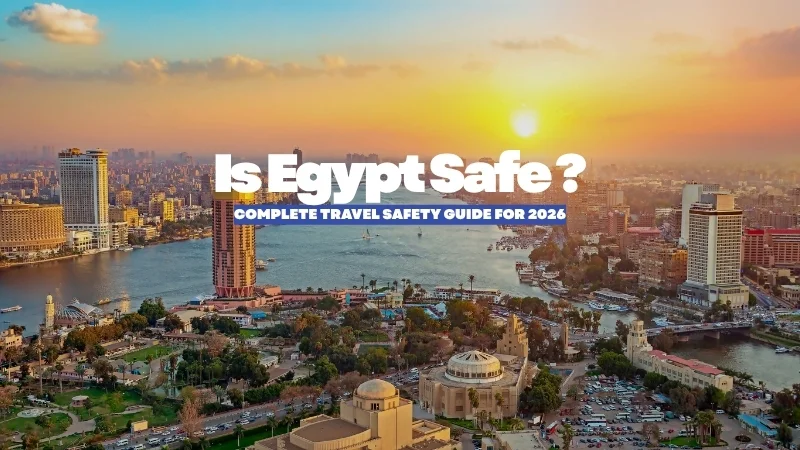
Cairo is a large, bustling city. The main challenges are traffic, crowds, and aggressive vendors, not violent crime. Tourists are safest when they stick to hotel districts and major tourist zones, and use Uber or Careem for fixed-price rides rather than hailing street taxis.
At night, movement should be limited to well-lit, familiar streets, and using trusted transport is recommended.

Luxor is one of the easiest Egyptian cities for tourists. It runs almost entirely on tourism, with organized temple and tomb circuits. Start sightseeing early (before 8 am) to avoid the heat, stay hydrated, and use licensed guides for West Bank tours, the Valley of the Kings, and Karnak.

Aswan is quieter and more relaxed than Cairo or Luxor. The city is tourist-friendly and easy to navigate, with organized boat trips and hotel-arranged tours. As with all Egyptian destinations, confirm prices before accepting any service, but serious issues are rare.

Sharm el-Sheikh is top choice for safe travel in Egypt. The resort city is designed for international visitors, featuring secure hotels, monitored beaches, and well-organized tours. Travelers who use verified guides for diving, desert excursions, and boat trips generally experience very low risk. Sharm el-Sheikh combines safety with world-class amenities, making it ideal for both solo and family travelers.

Hurghada is widely considered one of the safest destinations for tourists in Egypt. Built around international tourism, the city offers secure hotels, controlled beaches, and organized excursions. Visitors can enjoy diving, desert trips, and boat activities with minimal risk by sticking to verified operators and local guides. With awareness and planning, Hurghada provides a safe and relaxing Red Sea experience.
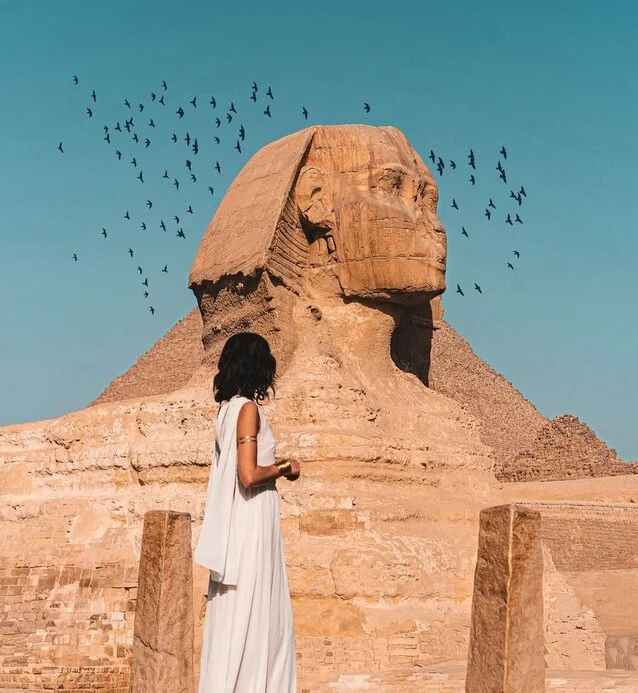
The Giza plateau is safe, but can overwhelm first-time visitors. The main challenges are crowds and persistent vendors, not safety threats. Go early, decide in advance about guides, and keep personal belongings close.

North Sinai: Ongoing security tensions; strictly off-limits.
Libya and Sudan borders & remote deserts: Only accessible with permits and specialist guides.
Old Cairo markets: Not dangerous, but pickpocketing and minor scams are common.
Planning ahead and knowing which areas to avoid ensures a safer, more relaxed trip.
Scams & overcharging – very common; confirm prices upfront.
Persistent vendors & unofficial guides – annoying but rarely dangerous.
Traffic accidents – chaotic roads can be hazardous.
Heat & dehydration – especially in summer and at open-air sites.
Restricted or remote areas – avoid unless on a guided itinerary.
Uber & Careem: Best for city travel; fixed prices, safe, convenient.
Hotel transfers: Reliable and stress-free.
Domestic flights: Fastest for intercity travel.
Avoid: unlicensed taxis, tuk-tuks, and random street transport.
Public transport: Usable, but often inconvenient for tourists unfamiliar with routes or Arabic signage.
Egypt’s main tourist hubs are safer than conflict-prone areas and comparable to Morocco or Jordan in visitor infrastructure. It’s more intense than Turkey or Greece in traffic and vendor interactions, but rewards travelers with unparalleled historical and cultural experiences. Familiarity with busy markets (like Istanbul or Marrakech) helps adjust quickly.
Many travelers wonder is Egypt safe for solo female travelers, and with proper planning, the answer is yes. Egypt is generally safe, especially in major tourist areas, and thousands of women travel solo every year with positive experiences.
Dress modestly in conservative areas.
Use trusted transport and verified guides.
Be clear when declining unwanted attention.
Women who travel confidently and plan ahead usually find Egypt safe and rewarding.
Use licensed guides at major attractions.
Book transport through verified providers or hotels.
Confirm prices before accepting services.
Keep valuables out of sight in crowds.
Dress modestly outside resort zones.
Start sightseeing early, carry water, and avoid midday heat.
Avoid North Sinai and remote border areas entirely.
Check official travel advisories before venturing beyond main tourist routes.
For 2026, Egypt is safe for most tourists, particularly in Cairo, Luxor, Aswan, Sharm el-Sheikh, Hurghada, and the Giza Pyramids. The key is planning, awareness, and using licensed or verified services. Avoid restricted areas, stay hydrated, respect local customs, and you’ll enjoy a memorable and secure Egyptian adventure.
Is Egypt safe for tourists?
Yes, if you stay in major destinations and follow standard precautions.
Is Cairo safe at night?
Generally yes, in well-known areas. Use trusted transport and avoid unfamiliar streets after dark.
Are Sharm el-Sheikh and Hurghada safe?
Yes. Both are highly organized, resort-oriented destinations designed for international visitors.
What should I wear in Egypt?
Modest clothing outside resort zones; lightweight, breathable fabrics that cover shoulders and knees are ideal.
Can I travel solo as a woman?
Yes, with extra awareness. Stick to major tourist areas, use verified transport, and dress conservatively.
Are the pyramids safe to visit?
Yes. The main challenges are crowds and persistent vendors. Arrive early and plan if you want a licensed guide.
What apps are best for getting around?
Uber and Careem are the safest and easiest in Cairo and major cities.
How do official advisories affect travel?
US, UK, Australian, and Canadian advisories confirm tourist areas are generally safe but recommend avoiding North Sinai, border regions, and remote deserts.
Ready to embark on your Egyptian adventure? Contact Kadmar Travel today and let us turn your travel dreams into reality.
Reach out to our dedicated team at Inbound@kadmartravel.com or call us at +2034839726
Reach out to our dedicated team at Inbound@kadmartravel.com, call us at +2034839726, or contact us through WhatsApp at +201286739037.
Don't just visit Egypt; experience it with Kadmar Travel
Or fill out the form below and we will call you back for any information needed.