
For a first trip to Egypt, three experiences make a particularly strong combination: Cairo and Giza for the country's most famous monuments, a Nile cruise for the temples and historic towns between Luxor and Aswan, and Hurghada for a few slower days beside the Red Sea. For Indian travellers, that mix also makes practical sense. It brings together sightseeing, culture and relaxation without requiring a long list of separate domestic journeys. If you are still deciding which destinations to include, our guide to the best places to visit in Egypt can help you compare the main options by trip length.
A well-planned Egypt tour package from India can take care of the parts that are easiest to get wrong — airport transfers, hotels, internal transport, cruise arrangements and sightseeing — while leaving you with enough flexibility to enjoy the trip at your own pace.
This guide explains how to plan the journey, what to expect from the visa process, how a 10-day itinerary can work, which destinations deserve your time, what to budget for, and what to check before choosing a package.
Egypt is particularly well suited to travellers who want more from a holiday than a single type of experience. Cairo delivers the big historical sights, the Nile Valley adds temples and archaeological sites, and the Red Sea provides a natural change of pace at the end.
That variety is useful when travelling as a couple, family or small group. Not everyone has to be interested in the same things for the entire trip. One day can be spent around the pyramids and ancient sites; another can involve a quiet cruise along the Nile; a later afternoon might simply mean swimming, relaxing or taking a boat out from Hurghada.
For first-time international travellers, organised travel can also remove some of the friction. English is commonly used in hotels, organised tours and major tourist areas, and established tourist routes have a wide range of accommodation, guides and transport options.
Food is another practical consideration. Egyptian cuisine includes dishes based around rice, lentils, vegetables, bread and grilled meats, so vegetarian travellers have several familiar ingredients to work with. Indian restaurants and Indian-friendly menus are available in major tourist centres such as Cairo and Hurghada, although availability becomes less predictable outside larger cities and resorts.
The key is to plan the route rather than simply collecting destinations. Cairo, the Nile and Hurghada work well together because each part of the holiday feels different while still fitting into one coherent journey.
Major Indian cities have air connections to Cairo, with routing and availability varying by departure city, airline and travel date. Some journeys are direct while others involve a connection, commonly through a Gulf hub.
Rather than building your entire itinerary around a particular flight route, start with your travel dates and preferred length of stay. Flight schedules can change, and the most convenient option may differ depending on where in India you are departing from.
Cairo International Airport is a natural starting point for an itinerary built around Cairo, the Nile and the Red Sea. Before flying, it is worth arranging several practical details.
Passport and entry requirements: Check the latest requirements for Indian passport holders before booking non-refundable travel.
Visa: Confirm which visa or entry option applies to your circumstances.
Flights: Check baggage allowances, connection times and arrival hours rather than comparing fare prices alone.
Accommodation and cruise: Have confirmed bookings or documentation available before departure.
Airport transfers: Pre-arranged transfers can make arrival considerably easier after a long journey.
Travel insurance: Check the policy's medical, cancellation and activity coverage.
Payments: Carry a practical mix of cards and Egyptian pounds or accessible cash.
SIM or eSIM: Arrange connectivity in advance or plan to purchase a local option on arrival.
Travel within Egypt is normally a combination of domestic flights, road transfers and Nile cruising, depending on the itinerary. A package can be useful here because the individual connections are coordinated rather than booked separately.
Visa requirements for Indian passport holders depend on the traveller's circumstances and the regulations in force at the time of travel. Requirements can change, so information found online should be checked against current official Egyptian sources before departure.
Travellers should generally expect to provide a valid passport and supporting travel documentation. Depending on the current rules and the individual's eligibility, different entry or visa arrangements may be available.
Questions around visa on arrival, electronic visas, or eligibility linked to holding another country's visa — such as a UK, US or Schengen visa — require particular care. The conditions attached to these options can change, and having one type of visa does not automatically mean that every traveller qualifies for the same Egyptian entry arrangement.
For the most reliable answer, check the latest requirements through the relevant Egyptian authorities or embassy/consular source. If you are booking through a travel company, ask exactly what visa assistance is included and what documentation you remain responsible for providing.

For many first-time visitors, 10 days provides enough room to experience Egypt's main attractions without turning every day into a transfer day. A typical route combines three nights around Cairo and Giza, several nights covering the Nile Valley and cruise, followed by two or three nights in Hurghada.
The exact sequence should remain flexible, particularly around the cruise. Nile sailing schedules, embarkation points, disembarkation arrangements and the direction of travel vary between operators and sailing dates.
| Day | Destination | Main Experience |
| Day 1 | Cairo | Arrival and easy evening |
| Day 2 | Cairo/Giza | Pyramids, Sphinx and major sights |
| Day 3 | Cairo | Museum and historic Cairo |
| Day 4 | Luxor / Nile Cruise | Embarkation and sightseeing |
| Day 5 | Nile Cruise | Temples and river experience |
| Day 6 | Nile Cruise | Further temple visits and cruising |
| Day 7 | Aswan | Cruise highlights and Aswan |
| Day 8 | Hurghada | Transfer and Red Sea |
| Day 9 | Hurghada | Beach, snorkelling or diving |
| Day 10 | Hurghada / Departure | Relaxation and departure |
Cairo is where most first-time visitors begin to understand the scale of Egypt's history.
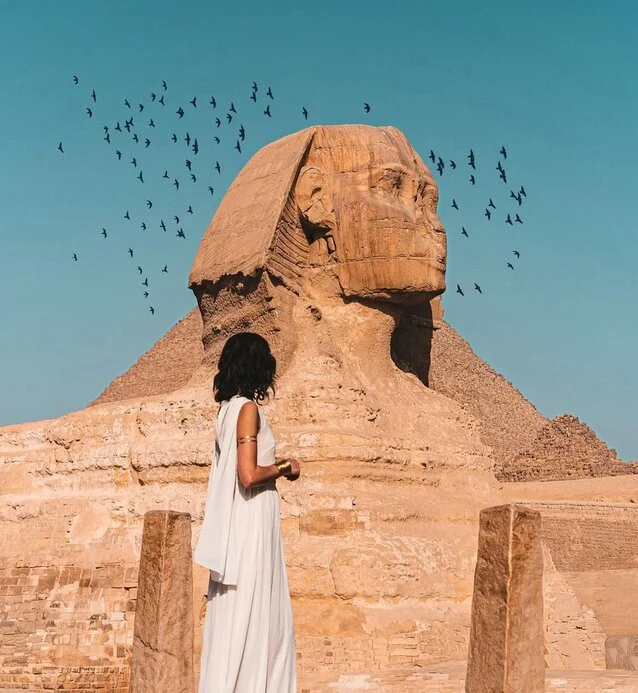
The Pyramids of Giza and the Great Sphinx deserve enough time to explore properly rather than being treated as a quick photo stop. The surrounding complex is larger than many visitors expect, and heat, crowds and walking can make a rushed visit unnecessarily tiring.
The remaining Cairo time can be divided between a major museum, historic Cairo and the city's older markets. The Egyptian Museum remains an important option for travellers interested in the country's archaeological heritage, while other museum experiences may also be appropriate depending on the itinerary and opening arrangements.
Historic or Islamic Cairo provides a different perspective, with mosques, older architecture and busy streets that show how the city has developed beyond its ancient monuments. Khan el-Khalili can be added for markets and local atmosphere.
Evenings are best kept relatively flexible. Cairo is large, and allowing time for dinner, a riverside outing or simply resting at the hotel can make the following sightseeing day much more enjoyable.
The Nile cruise is less about spending four days on a ship for its own sake and more about having a convenient base while moving through one of Egypt's most important historical regions.
Depending on the sailing, the route can include Luxor Temple, Karnak Temple, the Valley of the Kings, Edfu, Kom Ombo and Aswan. The precise order varies, so the itinerary supplied by the cruise operator should always be treated as the definitive schedule.
Luxor is the major starting point for many of the archaeological highlights. Karnak and Luxor Temple demonstrate the scale of ancient Egyptian religious architecture, while the Valley of the Kings offers a closer look at the burial sites of pharaohs and other rulers.
Further south, Edfu and Kom Ombo provide additional temple stops. Aswan has a quieter character, with the Nile landscape becoming part of the experience itself. Philae Temple, reached by boat, is one of the major highlights of this section.
A cruise also simplifies the logistics. Instead of changing hotels repeatedly and arranging separate transport between each site, accommodation, meals and many excursions are coordinated around the sailing.
That convenience is one of the strongest reasons to include a cruise in a first Egypt trip.
After several days of early starts, monuments and guided sightseeing, Hurghada offers a useful change of pace.
The Red Sea coast is known for clear water, coral reefs and a wide choice of resort activities. Depending on the season, weather and sea conditions, travellers can choose from snorkelling, diving, boat trips and other water-based excursions. If you are deciding between Hurghada and Sharm El Sheikh, our guide to choosing between Egypt's two main Red Sea destinations compares their beaches, diving, resorts and activities.
Not every reef or excursion suits every swimmer or diver, so activities should be selected according to experience level and current conditions.
For travellers who prefer to stay on land, Hurghada also provides plenty of time for the simplest part of the holiday: sleeping later, using the hotel facilities, enjoying the beach and having an unplanned afternoon.

A first visit does not need to cover every major archaeological site in the country.
The Pyramids of Giza and the Sphinx are the obvious starting point, but they make more sense when combined with the museums and historic areas of Cairo. The Nile Valley then adds another layer of history: Karnak and Luxor Temple show the monumental side of ancient Egypt, while the Valley of the Kings provides a closer look at royal tombs and their decoration.
Further south, Aswan changes the rhythm. The city, the river scenery and Philae Temple make it a useful contrast to the intensity of Cairo and the scale of Luxor.
Then comes Hurghada, which is not competing with the archaeological destinations. Its role is different. It gives the trip space to slow down, enjoy the Red Sea and return home without spending the final day rushing between historical sites.
That contrast is what makes the overall route work so well.
Cairo, Giza, Luxor, Aswan and Hurghada form the strongest foundation for a first trip.
Cairo deserves two or three days because the city combines major historical attractions with museums, neighbourhoods, restaurants and markets. Giza can be treated as a half- or full-day experience from Cairo rather than requiring a separate long stay.
Luxor is the destination for travellers who want to go deeper into ancient Egypt. The concentration of temples, tombs and archaeological sites makes it one of the most important stops on the Nile route.
Aswan is smaller and more relaxed, making it particularly appealing after several busy sightseeing days. It is also an important base for visiting Philae and experiencing the southern Nile landscape.
Hurghada is the natural choice for travellers who want beach time, snorkelling, diving and resort facilities after the cultural part of the trip. For a 10-day itinerary, two or three nights is usually enough to make the Red Sea feel like a genuine part of the holiday rather than a rushed add-on.
Other destinations become more attractive when you have additional time. Sharm El Sheikh offers another strong Red Sea option, particularly for diving and resort holidays. Dahab has a more relaxed atmosphere and is better suited to a longer itinerary. Alexandria adds Mediterranean history and coastal scenery, while Nuweiba works better for travellers deliberately moving away from the classic first-time circuit.
| Destination | Best For | Recommended Stay |
| Cairo | History, museums, culture and city life | 2–3 days |
| Giza | Pyramids and Sphinx | Half a day to a full day |
| Luxor | Temples and ancient sites | 1–2 days |
| Aswan | Nile scenery and temples | 1 day |
| Hurghada | Beaches and water activities | 2–3 days |
| Sharm El Sheikh | Diving and Red Sea resorts | 2–3 days |
| Dahab | Diving, snorkelling and a slower pace | 1–2 days |
| Alexandria | Mediterranean history and coastline | 1–2 days |
| Nuweiba | Quiet beaches and extended itineraries | 1–2 days |
The pyramids may be the reason many travellers first start researching Egypt, but they are only one part of the experience.
A Nile cruise gives you a chance to see the landscape between major archaeological sites rather than travelling between them entirely by road. A traditional felucca ride offers another way to experience the river, particularly around sunset when conditions allow.
Food is worth making part of the itinerary. Koshari, ful medames, grilled vegetables, breads and Egyptian-style rice dishes provide an easy introduction to local cuisine. Travellers with specific dietary requirements should communicate them to their hotel or tour operator in advance.
In Hurghada, the focus naturally shifts towards the sea. Snorkelling and diving are popular, while boat trips and resort activities offer alternatives for travellers who prefer not to spend the day underwater.
Desert excursions can also be added, ranging from short quad-bike experiences to longer organised trips. The right choice depends on the destination, season and how much activity you want after a busy sightseeing schedule.
And sometimes the best addition is no activity at all. Leaving an afternoon open in Hurghada can be more valuable than filling it with another excursion.
The most comfortable period for sightseeing depends on the route and your tolerance for heat.
Cairo and the Nile Valley can become very hot, particularly during the summer, which matters when visiting large outdoor archaeological sites with limited shade. Cooler months are generally more comfortable for walking tours and temple visits.
Hurghada has a coastal climate and can work across a wider part of the year for travellers focused on the Red Sea. Water temperature, wind and seasonal conditions still vary, so check conditions closer to your dates.
Keep the packing practical rather than excessive.
Comfortable walking shoes are essential for Cairo, Giza and archaeological sites. Lightweight clothing helps in warm weather, while modest clothing is useful for mosques and more conservative settings. A hat, sunglasses and sunscreen are sensible additions, as is swimwear for the Red Sea portion.
Bring any personal medicines and essentials you rely on rather than assuming the same brands will be available everywhere.
Indian travellers will find plenty of familiar ingredients in Egyptian cooking, although the flavours and preparation are distinctly local.
Koshari is an easy vegetarian option, combining rice, lentils, pasta and a tomato-based sauce. Ful medames, salads, grilled vegetables and breads can also work well for vegetarian travellers.
Indian restaurants and Indian-friendly food are more accessible in major tourist centres than in smaller destinations. If you want to explore your options before travelling, our guide to Indian food and restaurants in Egypt covers options in Cairo, Alexandria, Hurghada and Sharm El Sheikh. If dietary restrictions are important, mention them before the trip so hotels, cruise operators and guides can plan accordingly.
The Egyptian pound is the local currency.
Cards are commonly accepted at hotels, larger restaurants and many established tourist businesses, but cash remains useful for markets, smaller purchases and tipping.
Tipping, often referred to locally as baksheesh, is part of everyday service culture. Guides, drivers, hotel staff and other service workers may expect tips depending on the service provided. Exact amounts should be checked against current local guidance rather than relying on old travel articles.
A local SIM or eSIM can make navigation, messaging and booking-related communication easier.
Travellers can compare local options on arrival or check whether their existing mobile provider offers a suitable international package. Coverage and pricing vary, so there is no single option that works best for everyone.
Egypt is a relatively easy destination to navigate when visitors understand a few basic expectations.
Dress more conservatively when visiting mosques and religious sites. Ask before photographing people directly, particularly in markets or residential areas. Follow photography rules at archaeological sites, museums and tombs, as some areas restrict cameras or require additional permission.
Bargaining is common in many markets. A friendly approach usually works better than treating every purchase as a negotiation to be won.
Egypt requires the same basic travel awareness expected in other major tourist destinations.
Use reputable transport providers and established guides, keep valuables secure in crowded places, and pay attention to local advice. If you are travelling beyond the main tourist circuit, check the latest official travel guidance before departure.
Safety information can change, particularly around specific regions, so a travel article should not be treated as a permanent assessment of conditions.
The right length depends on how much of Egypt you want to experience and how quickly you like to travel.
5–7 days: Suitable for a shorter introduction focused mainly on Cairo and part of the Nile experience. Adding Hurghada may make the itinerary feel rushed.
8–10 days: A strong range for a first trip combining Cairo, the Nile Valley and the Red Sea. It gives each major part of the journey enough space to feel worthwhile.
12–14+ days: Better for travellers who prefer a slower pace or want to add destinations such as Alexandria, Dahab or Nuweiba.
For many first-time visitors, 10 days offers a comfortable balance between sightseeing and downtime. It is long enough to experience the main historical circuit and still leave room for a few relaxed days in Hurghada.
A package should be judged by what it actually includes, not simply by its headline price.
At a minimum, compare:
Airport transfers
Hotel accommodation
Internal transport between destinations
Domestic flights where required
Nile cruise accommodation
Cruise meals and inclusions
Guided sightseeing
Entrance fees
Airport and hotel assistance
Visa assistance, if offered
Travel insurance, if included
Meals outside the cruise
Optional excursions
Any taxes or service charges
Clearly stated exclusions
This matters because two packages can appear similar while providing very different levels of service. One may include private transfers and entrance fees; another may charge separately for both.
For a premium holiday, also ask about the hotel category, cruise ship standard, room or cabin type, group size, guide arrangements and transfer style. These details can have a greater impact on the actual experience than a small difference in the advertised price.

There is no single useful price for an Egypt holiday because the final cost changes with travel dates, hotel category, cruise standard, number of travellers, flights, and inclusions. For a general overview of typical travel costs across destinations and experiences, see our guide to the cost of travelling to Egypt.
A practical way to compare options is to think in three broad levels.
Budget: Usually focuses on standard accommodation, shared arrangements and essential sightseeing. It can work well for travellers whose priority is seeing Egypt's major sites without paying for extensive upgrades.
Mid-range: Often provides a stronger balance of hotel quality, cruise standard, included sightseeing and convenience. For many first-time visitors, this is a sensible starting point when comparing packages.
Premium: Typically allows for higher-category hotels, upgraded cruise accommodation, private guides or transfers, more flexibility and a greater choice of excursions.
When comparing quotations, check whether international flights, visa-related costs, optional activities, meals, entrance fees and personal spending are included. A lower headline price is not necessarily better value if many essentials are excluded.
The most useful quotation is one built around your actual dates, number of travellers, hotel preferences and preferred level of service.
If your time is limited, the answer depends on what you want most from Egypt.
| If you want... | Prioritize... |
| Ancient history | Cairo / Giza / Luxor |
| Museums and city culture | Cairo |
| Nile experience | Nile Cruise |
| Temples and tombs | Luxor / Nile Cruise |
| Beaches | Hurghada |
| Diving | Hurghada / Red Sea |
| A balanced first trip | Cairo + Nile Cruise + Hurghada |
For most first-time visitors with around 8–10 days, combining the three main elements makes more sense than choosing only one. Cairo provides the introduction, the Nile adds depth to the historical experience, and Hurghada gives the itinerary a slower finish.
If you only have five days, however, trying to fit everything in can turn the holiday into a sequence of transfers. In that case, prioritising Cairo and either the Nile or Red Sea is usually more comfortable.
Planning Egypt well is less about adding as many sights as possible and more about getting the sequence right.
Your travel dates, preferred hotel category, cruise standard, number of travellers and budget all affect what makes sense. A family with young children may need a different pace from a couple interested in archaeology, while a traveller focused on diving may want to allocate more time to the Red Sea.
Kadmar Travel can help turn those preferences into a practical itinerary, including the accommodation, transfers, sightseeing and cruise arrangements that fit your trip. Explore our Egypt tour packages to see available itineraries, or contact Kadmar Travel to discuss a trip designed around your dates and preferences.
Indian passport holders should check the current Egyptian entry and visa requirements before travelling. The applicable process can depend on individual circumstances and regulations in force at the time of travel.
Major Indian cities have air connections to Cairo, with both direct and connecting options depending on the airline, departure city and travel dates. Internal travel within Egypt can then involve domestic flights, road transfers and Nile cruising.
The cost varies significantly according to hotel category, cruise standard, season, group size and inclusions. Comparing complete package quotations is more useful than comparing headline prices alone.
A popular first-trip structure combines Cairo and Giza, a Nile cruise covering the Luxor–Aswan region, and two or three days in Hurghada. Around 8–10 days gives this route enough breathing room for most travellers.
Five to seven days can cover the main highlights at a faster pace. Around 8–10 days allows a fuller combination of Cairo, the Nile and Hurghada, while 12–14 days or more gives you room to explore additional destinations.
For many first-time visitors, it is one of the easiest ways to experience several major sites along the Nile while keeping accommodation and transport organised around one continuous journey.
Egypt can work well for families because the itinerary can combine educational sightseeing with a few relaxed days at the Red Sea. The best pace depends on the children's ages and the amount of walking they are comfortable with.
Vegetarian food is available across Egyptian cuisine, including dishes such as koshari and ful. Indian restaurants and familiar food options are more common in larger tourist centres, so specific dietary requirements should be communicated in advance.
Cooler periods are generally more comfortable for extensive sightseeing in Cairo and the Nile Valley. Hurghada can work across a broader part of the year, although weather and sea conditions vary by season.
Independent travel provides more control over individual bookings, but it also means coordinating flights, transfers, hotels, cruise schedules, guides and sightseeing yourself. A package can simplify those logistics, particularly for a first visit or a multi-city itinerary.
Ready to embark on your Egyptian adventure? Contact Kadmar Travel today and let us turn your travel dreams into reality.
Reach out to our dedicated team at Inbound@kadmartravel.com or call us at +2034839726
Reach out to our dedicated team at Inbound@kadmartravel.com, call us at +2034839726, or contact us through WhatsApp at +201286739037.
Don't just visit Egypt; experience it with Kadmar Travel
Or fill out the form below and we will call you back for any information needed.